

Introduction
Investing in advanced manufacturing technology such as the Salvagnini P2 panel bender is a significant step. But the true value comes from understanding how to apply that technology effectively.
Our first Salvagnini panel bender was installed in February 2021, beginning our journey with automated panel bending technology. A second Salvagnini followed in 2023, expanding our capability and allowing us to support a wider range of customer requirements.
Over the past five years, we have continued to refine our processes, support customer design improvements and expand the opportunities Salvagnini panel bending services create.
Looking back at our experience, one thing has become clear: successful automation is about far more than the machine itself. The greatest benefits come from combining advanced technology with engineering knowledge, manufacturing expertise and a clear understanding of the products being produced.
Automation is about more than the equipment
Advanced manufacturing technology creates new opportunities, but the machine itself is only one part of the solution.
When businesses invest in automation, the focus naturally falls on the equipment, its capabilities, speed and technical features. However, achieving the best results depends on how that technology is integrated into the wider manufacturing process.
For automated panel bending, this means understanding which components are suited to the process, how designs can be optimised and how the technology works alongside other manufacturing operations.
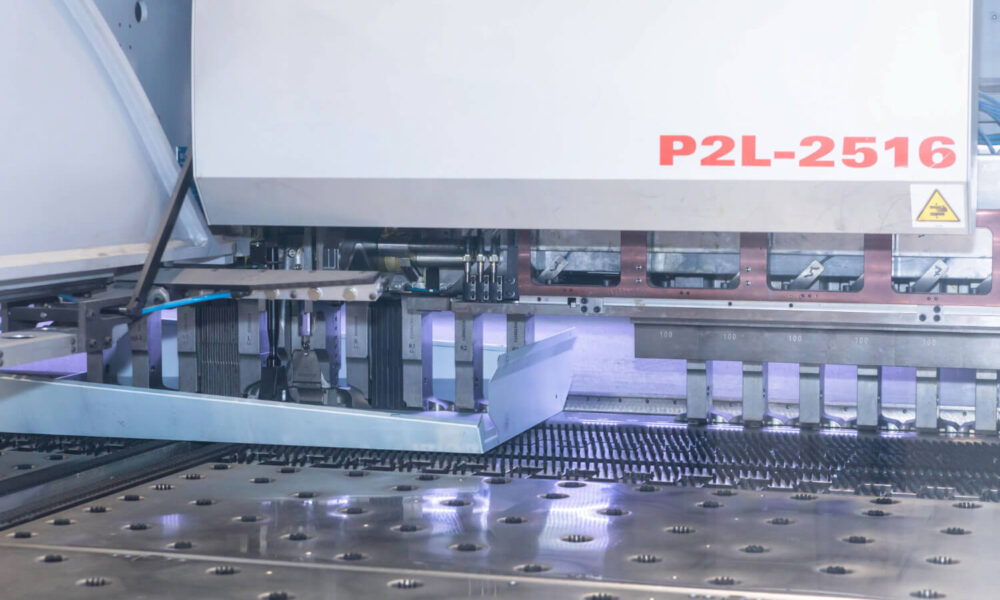
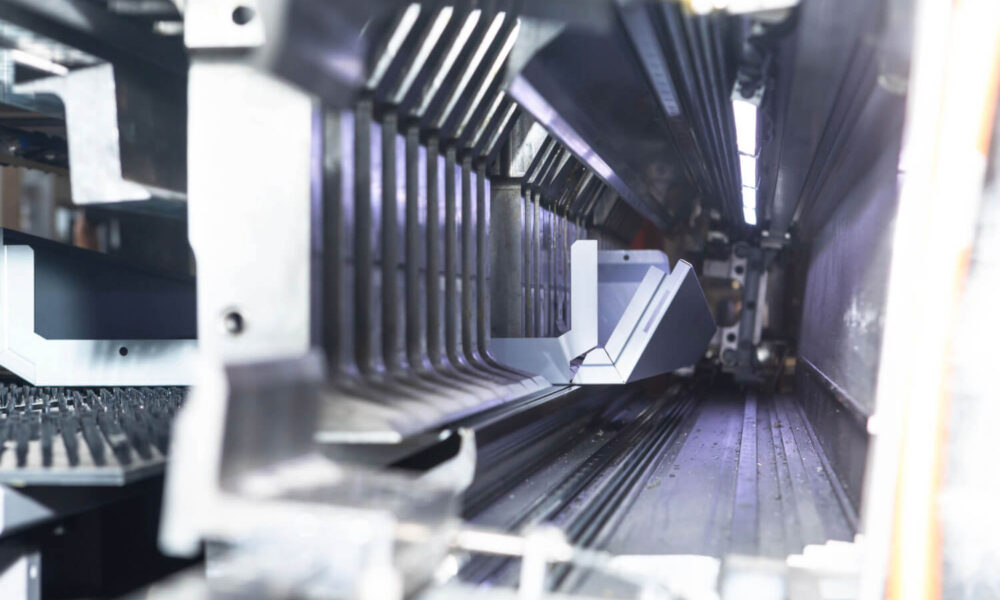
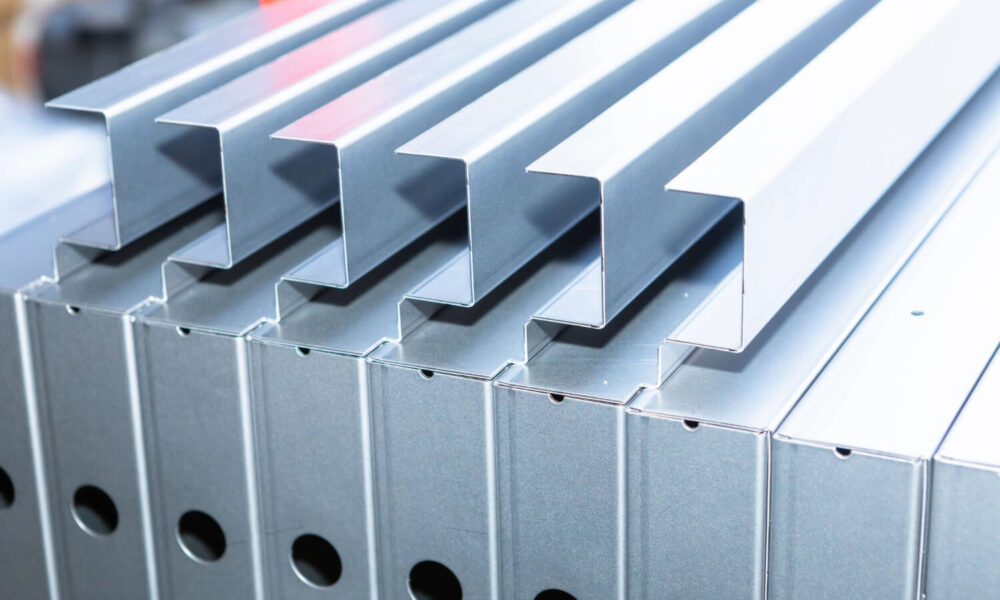
Salvagnini panel bending technology uses automated handling and intelligent programming to produce consistent folds across repeat production runs. This can help improve repeatability, reduce manual intervention and provide a reliable alternative to more traditional forming methods for suitable components.
However, the greatest benefits are achieved when the technology is considered as part of the wider manufacturing process. By combining automated panel bending with services such as CNC laser cutting, CNC punching, fabrication and welding, finishing and assembly, opportunities can be identified to simplify production routes and improve overall efficiency.
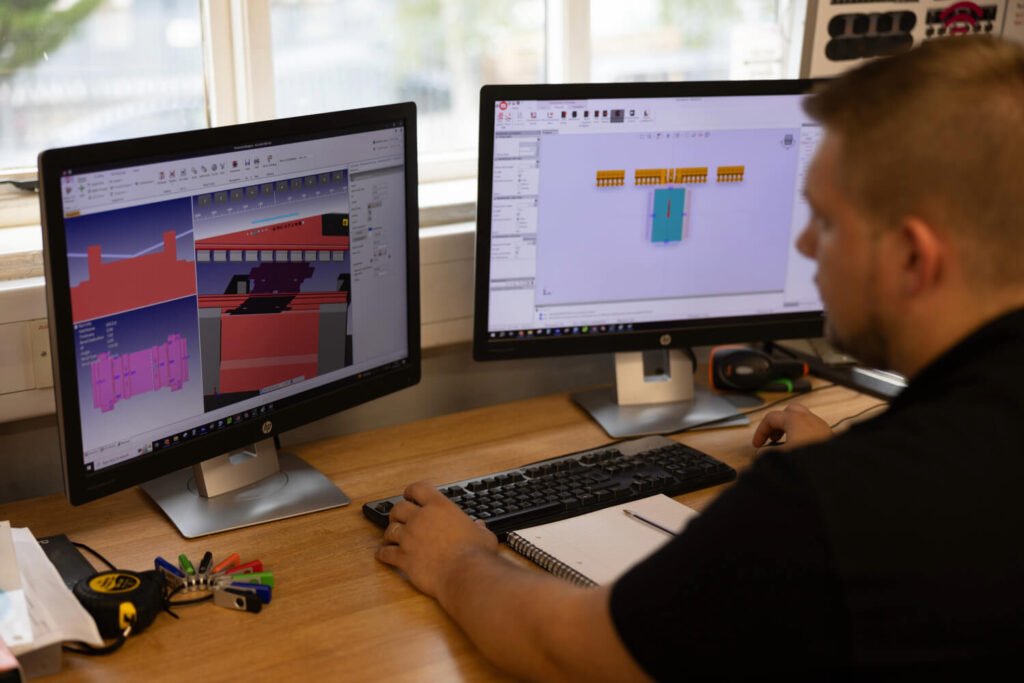
Our Salvagnini investment was not simply about adding new equipment to our factory. It was about developing a capability that allows us to help customers review their products, identify opportunities for improvement and make better manufacturing decisions.
The biggest opportunities often start with design
One of the biggest lessons we have learnt is that automated panel bending creates the greatest value when considered early in the design process.
Traditional manufacturing methods can often influence product design. Components may be split into multiple parts because that is how they have historically been manufactured, rather than because it remains the most efficient solution.
By involving manufacturing expertise earlier, opportunities can be identified to simplify designs and improve efficiency.
This may include:
- Improving consistency through repeatable automated processes
- Combining multiple components into a single folded part
- Reducing assembly requirements
- Removing secondary operations such as riveting or welding
The question is not always:
“How can we manufacture this part faster?“
Often, the better question is:
“Could the product or manufacturing process be changed to make better use of the technology?“
Putting panel bending into practice
One example from our own production shows how automated panel bending can create benefits beyond the folding operation itself.
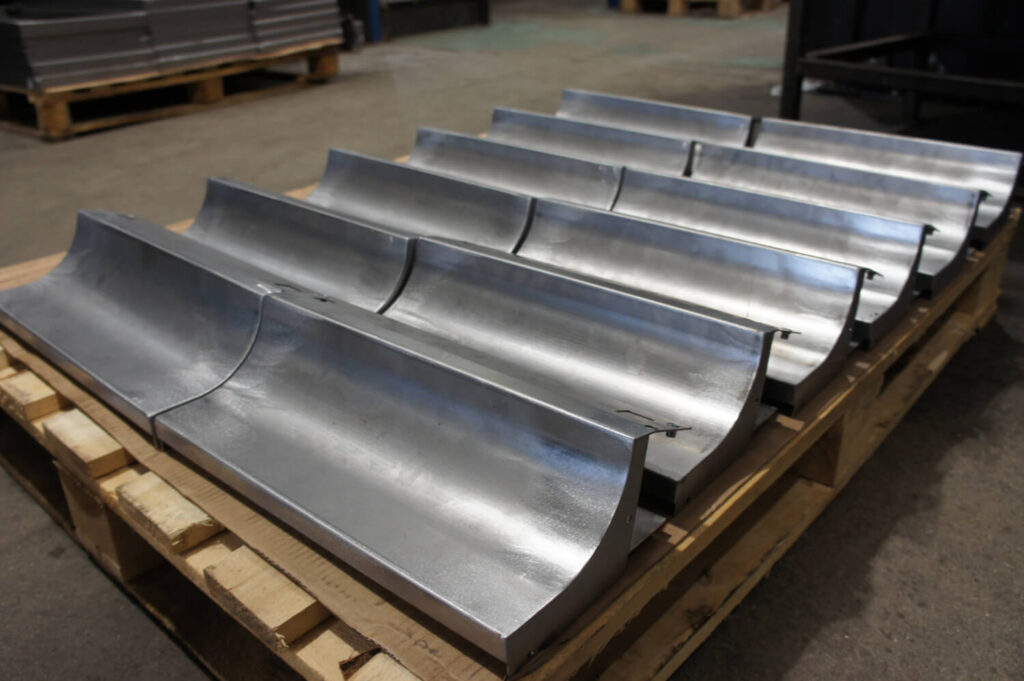
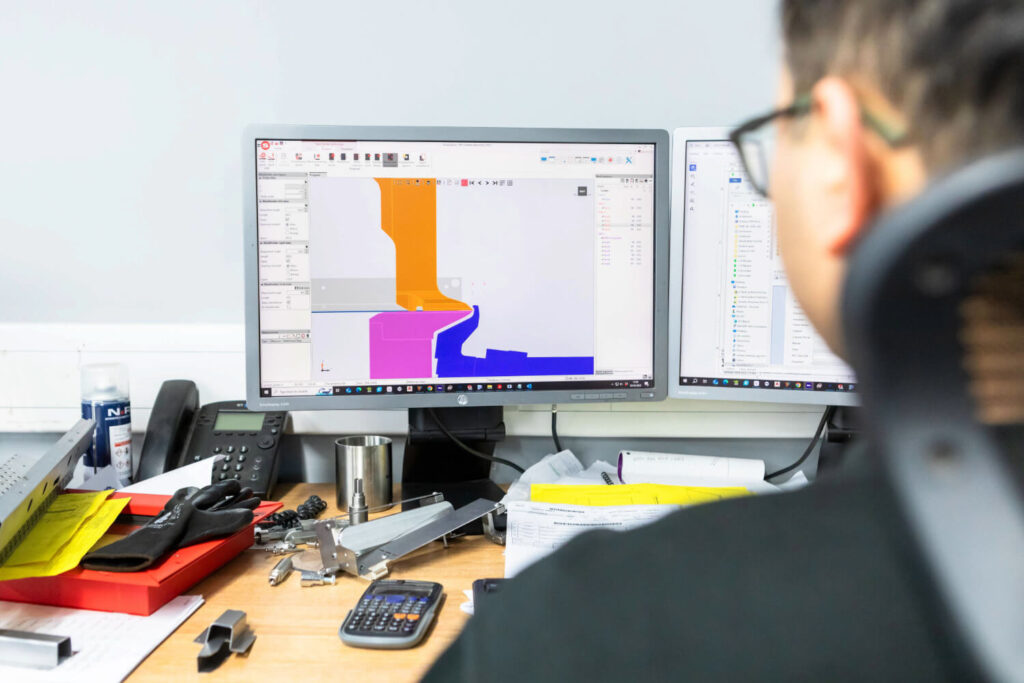
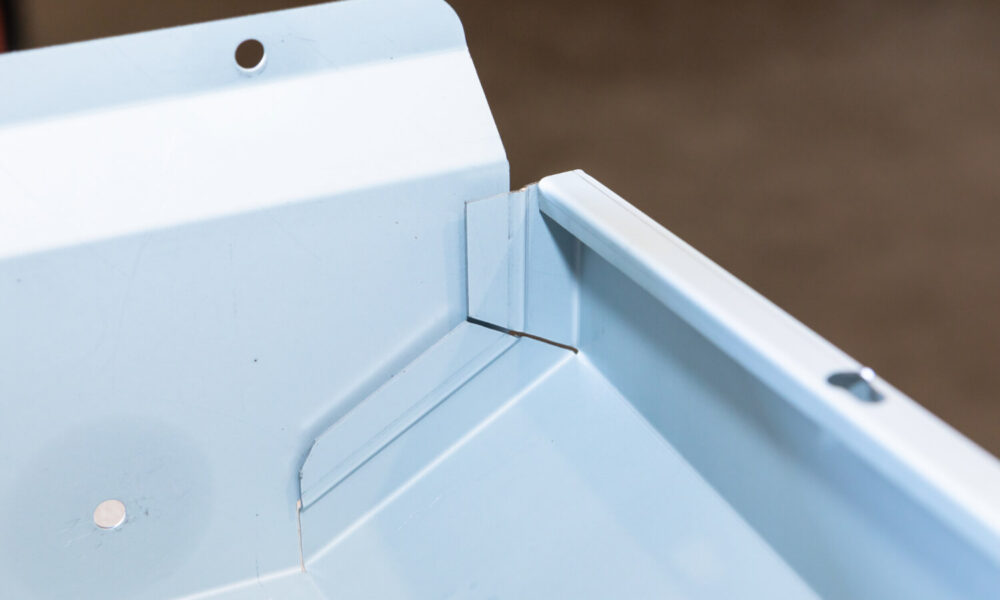
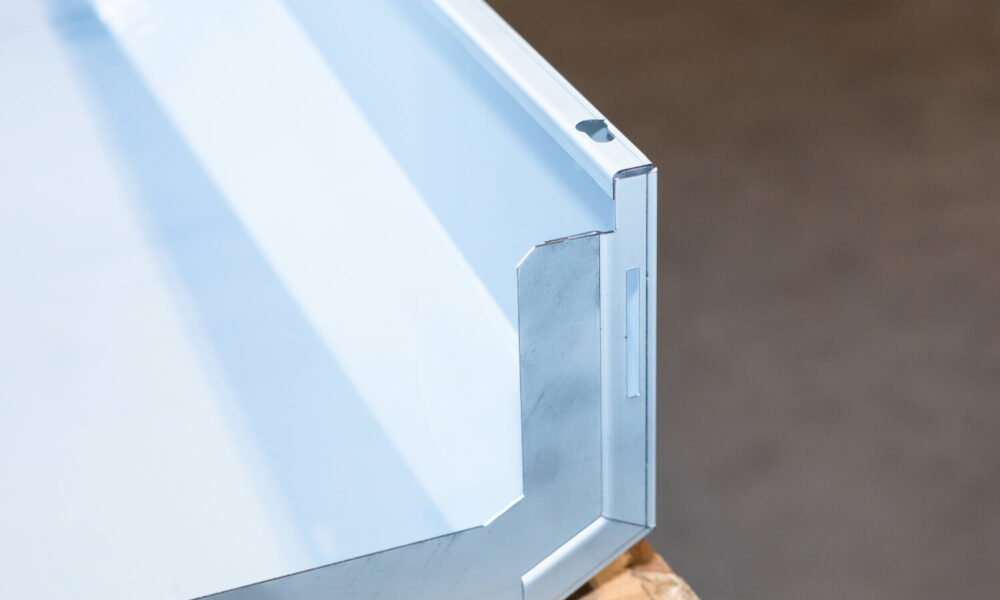
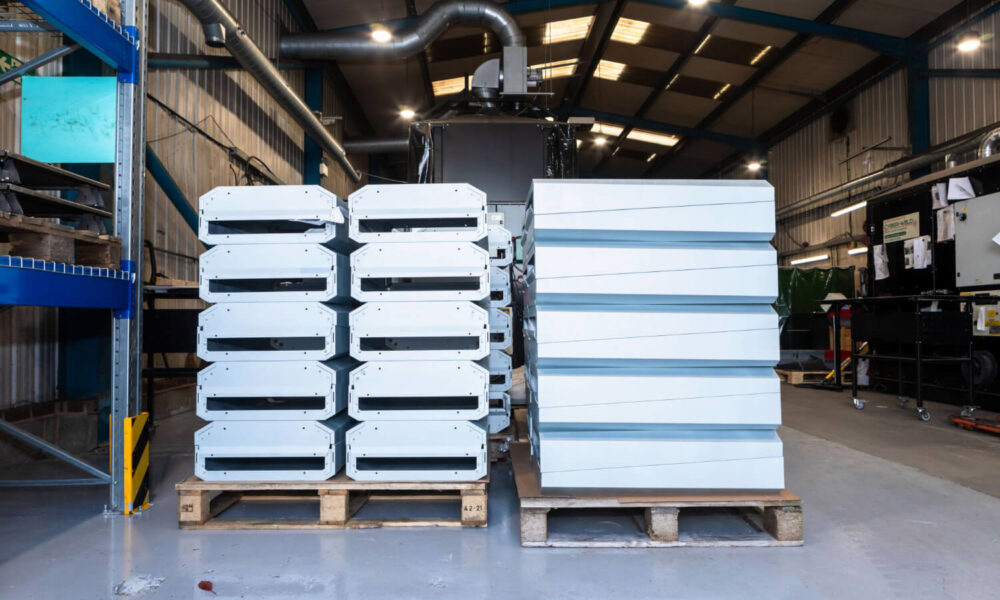
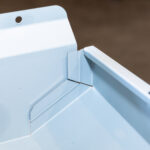
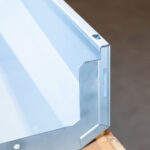
We were manufacturing a product that was already partly folded using our Salvagnini panel bender, but our team identified opportunities to improve the way it was produced. By revisiting the design and manufacturing process, we were able to incorporate a stiffener into the main panel and redesign additional components so they could be folded as part of the same programme.
Rather than producing and tracking these components separately, they were tagged into the main part and remained attached through the powder coating process. They could then be broken off when required and incorporated during assembly.
This relatively simple change delivered benefits across several stages of production:
- Reduced folding operations: Several folding operations across different machines were consolidated into a single Salvagnini programme, reducing processing time and improving production efficiency.
- Simplified production flow: Keeping the components together reduced the number of individual parts that needed to be tracked as they moved through production.
- More efficient powder coating: The connected components could pass through the powder coating process together, reducing the space required on the line and allowing them to be coated in a single run.
- Reduced handling: Fewer separate components meant less movement and handling between manufacturing stages.
The important point is that the benefit did not come simply from having an automated panel bender. It came from looking at the product design and the wider manufacturing process together, then finding a way to make better use of the technology.
This is where experience with automated panel bending can make a real difference. Understanding what the equipment can do is one thing; recognising where a product can be redesigned to take advantage of it is another.
Experience helps identify where automation adds value
Automated panel bending is a powerful manufacturing capability, but experience comes from understanding where it delivers the greatest benefit.
Not every component requires the same manufacturing approach. Some parts are better suited to traditional CNC metal bending services, while others benefit from the flexibility, repeatability and automated handling offered by panel bending technology. Panel bending is particularly effective for components with multiple folds, repeat production requirements and designs where consistency across batches is critical. The automated folding sequence helps maintain accuracy while reducing the variation that can occur with more manual forming approaches.
The right solution is not always the newest technology available. It is the process that delivers the best outcome for the product. This depends on factors such as:
- Design complexity
- Material choice
- Production requirements
- Accuracy requirements
- The wider manufacturing route
Our experience with Salvagnini technology allows us to assess where automated panel bending can genuinely add value and where alternative processes may be more appropriate.
From one Salvagnini panel bender to two
Our investment in Salvagnini technology has developed over time.
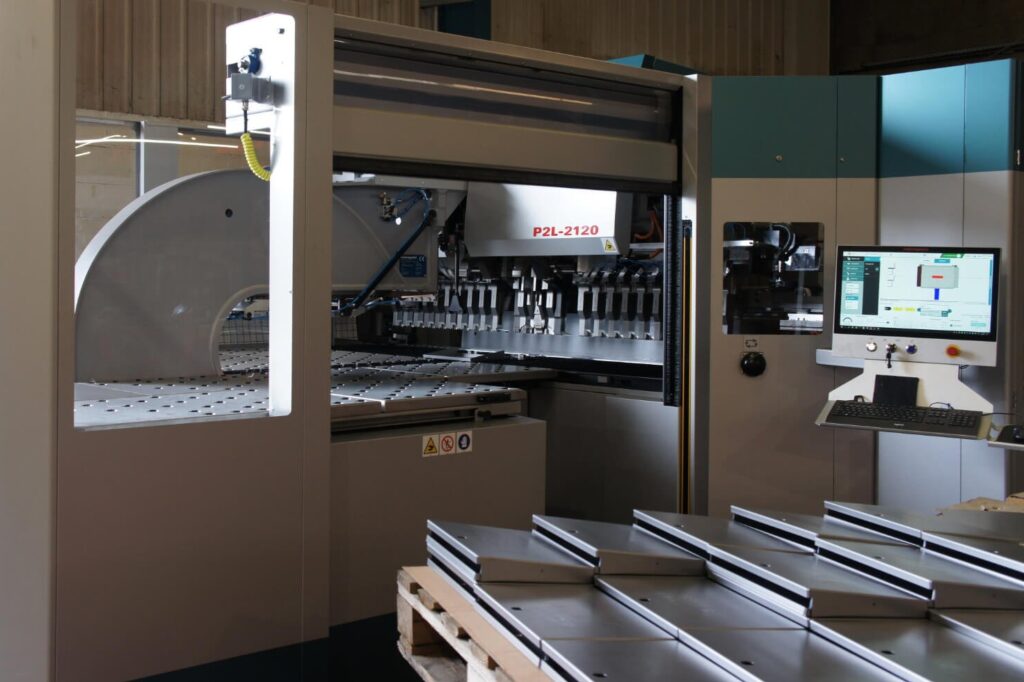
Following the installation of our first panel bender in February 2021, we continued to build our knowledge and experience of automated panel bending. As demand grew and we identified further opportunities for the technology, we invested in a second Salvagnini panel bender in 2023.
This second investment was not about introducing a new process. It was about building on an established capability and increasing the flexibility available to our customers.
Today, our two Salvagnini panel benders form part of a wider manufacturing capability that includes laser cutting, CNC punching, press braking, fabrication, powder coating and assembly services. This integrated approach allows components to move efficiently through the manufacturing process, from initial sheet metal processing through to formed, finished and assembled products.
Having two Salvagnini machines also provides additional flexibility across customer programmes, supporting repeat production requirements while maintaining capacity and continuity.
Technology works best when combined with expertise
Advanced machinery provides significant capability, but successful manufacturing still relies on the people and processes behind it.
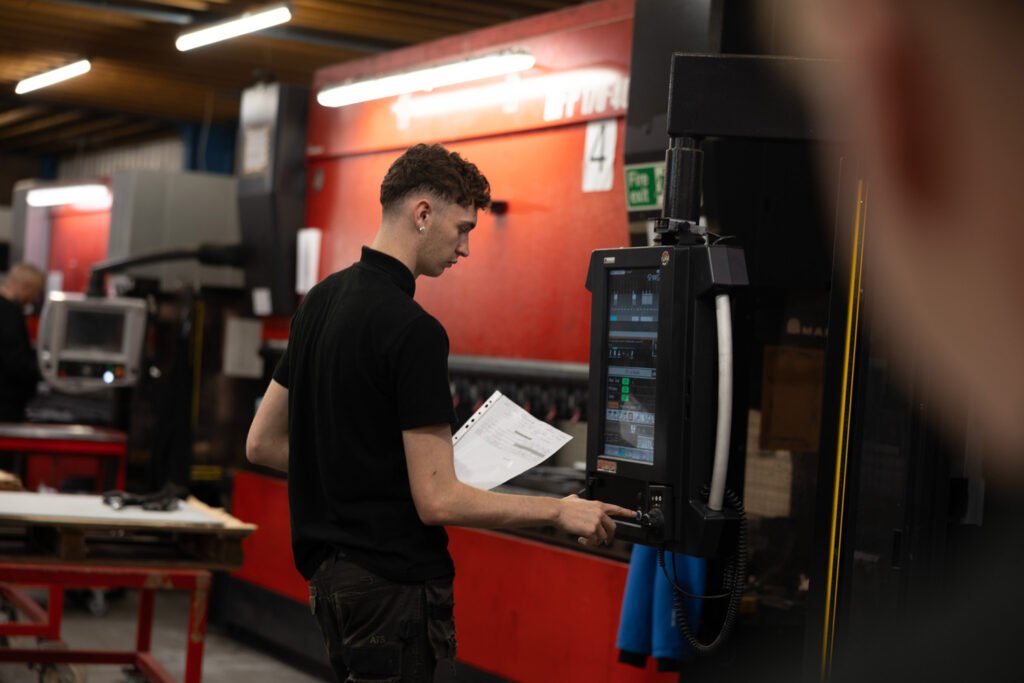
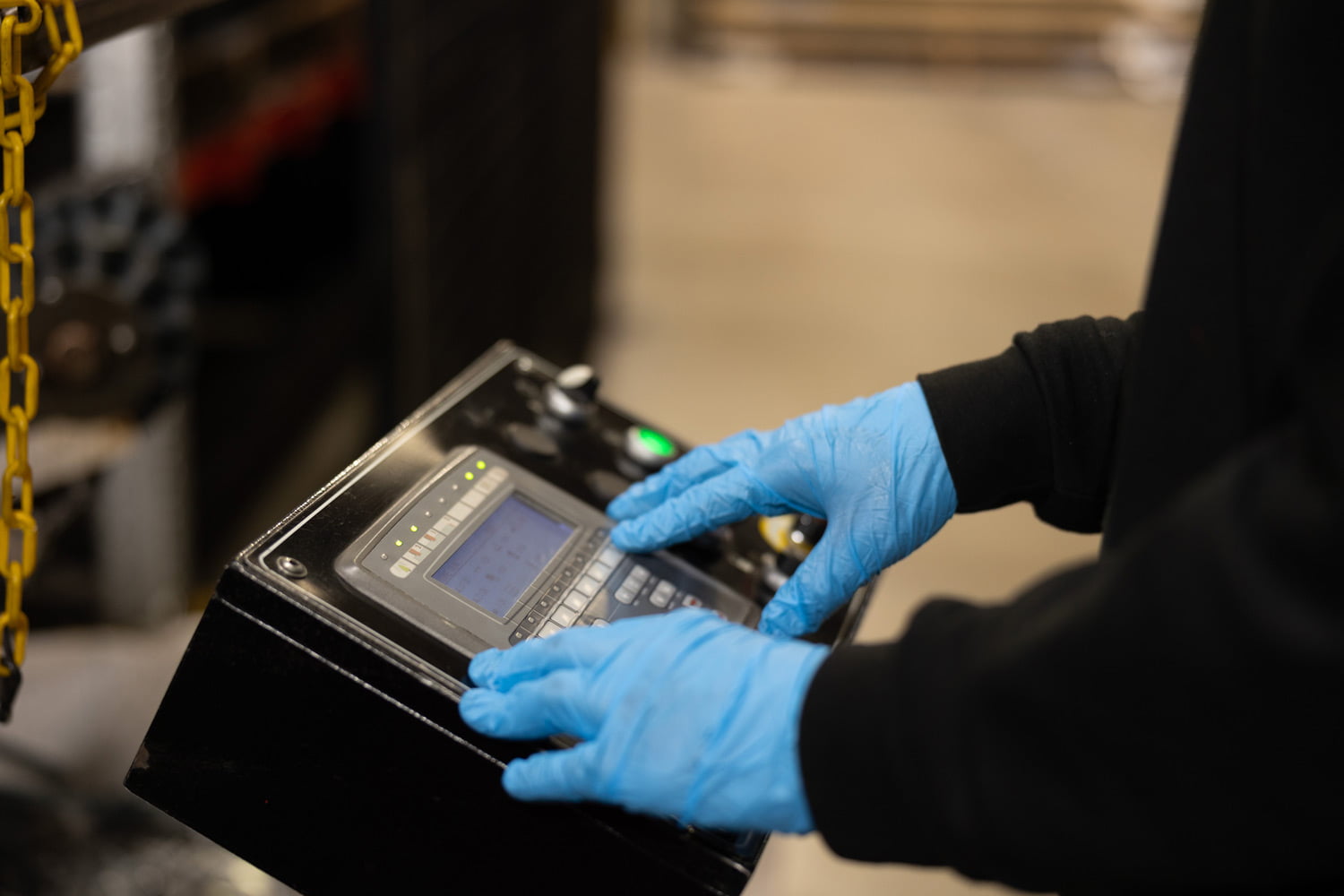
From programming and production planning through to engineering support and quality control, experience remains essential.
Our work with Salvagnini technology has reinforced that automation is not about replacing manufacturing expertise. It is about enhancing it.
By combining intelligent automation with skilled engineers and operators, we can help customers review designs, improve processes and develop more efficient manufacturing solutions.

Looking ahead
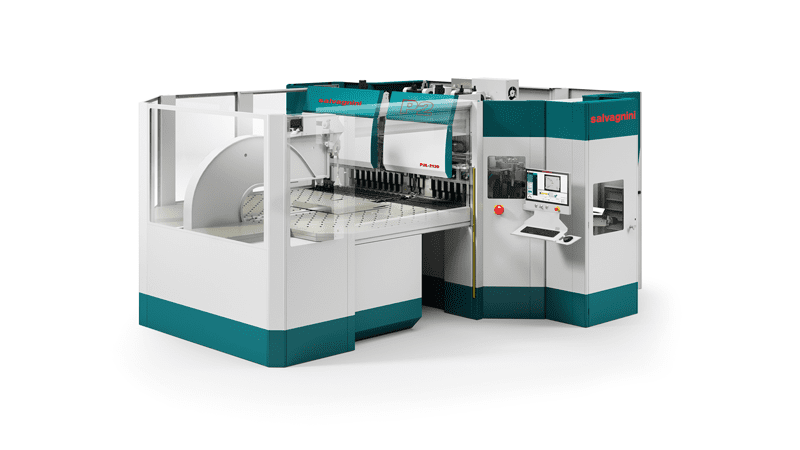
Five years of working with Salvagnini technology has shown us that automation is not simply about producing parts faster.
The real opportunity is using advanced manufacturing capability to help customers create better products, simplify processes and make informed decisions about how those products are manufactured.
Our continued investment in automated panel bending reflects our commitment to supporting customers with the technology, experience and manufacturing expertise needed to bring products to life.
If you are looking for a UK manufacturing partner with proven Salvagnini panel bending experience, speak to our team about your next sheet metal project.