
Design is more than aesthetics. We help create components and products that perform as intended, are practical to manufacture and are cost-effective to produce at scale. Understanding the difference between fabrication and manufacturing is a key part of creating products that are designed with production in mind.
Choosing the right sheet metal fabrication partner is equally important to ensuring those designs are successfully brought into production.
Design for Manufacture (DfM): Turning concepts into reality
Design for Manufacture (DfM) is the process of designing products so they can be manufactured efficiently, consistently and cost-effectively without compromising performance. At Unifabs, our engineers work with customers from the earliest stages of product development to optimise designs for sheet metal fabrication, assembly and long-term production.
Not only do we design creatively and with an open mind, but we also carefully consider the ‘how’ at every stage. Unlike pure product design companies and in-house engineering teams, we fully understand that we will ultimately face the challenge of manufacturing our designs. Therefore, we ensure that our design process is both innovative and practical, balancing creativity with the realities of production.
This is why our approach to industrial design is firmly rooted in design for manufacture.
Design for Manufacture and Assembly (DfMA) process
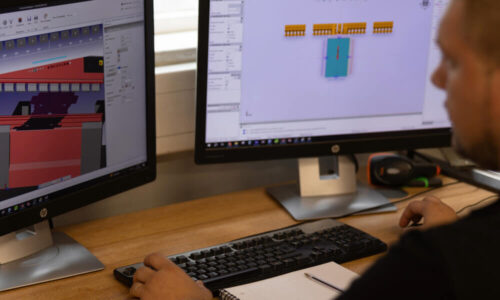
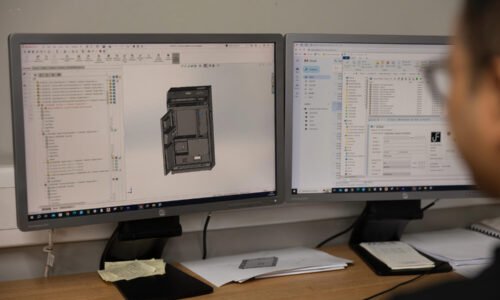
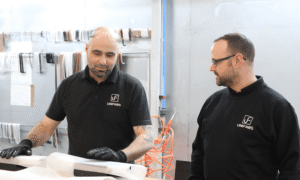
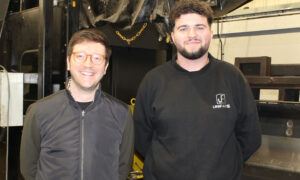
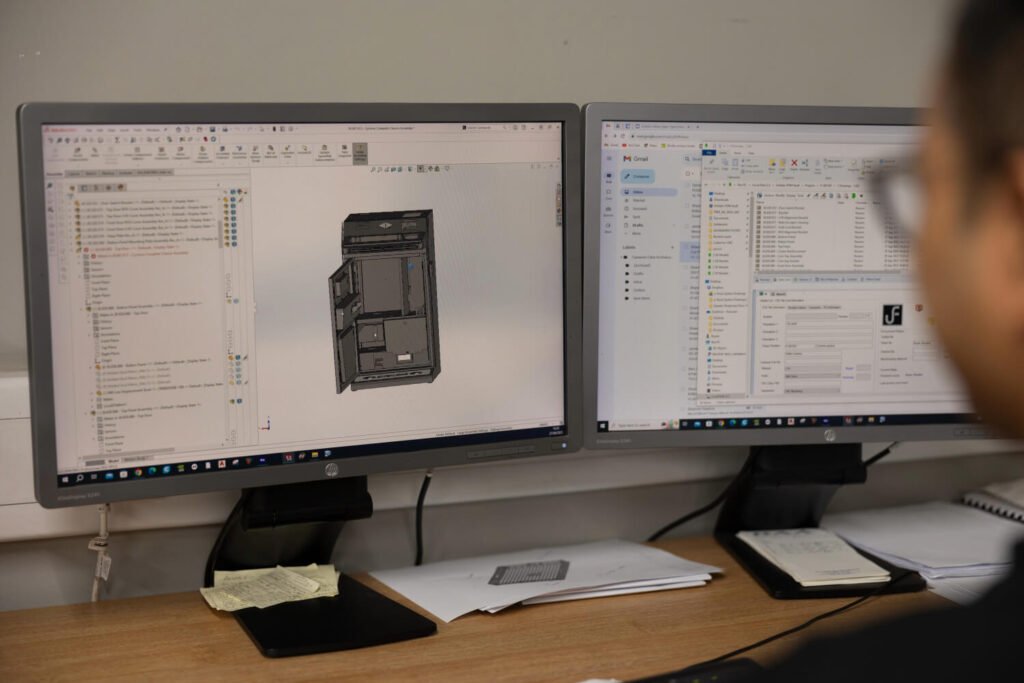
Our in-house engineering design team specialises in all aspects of sheet metal manufacturing, and we work closely with you to design parts that are fully prepared for mass production and assembly. With our expertise, we ensure that every design is optimised for efficient manufacturing, helping to streamline the process from concept, through manufacture and assembly, to completion.
Not only can we design for our own in-house sheet metal manufacturing processes, but we also have experience designing products that incorporate additional processes such as PU mouldings, machined components and textiles. This broader understanding allows us to consider the complete product, ensuring all elements work together effectively from design through to manufacture and assembly.
Primed for prototyping
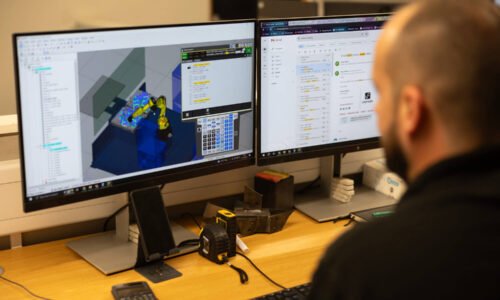
With in-house 3D printing technology and manufacturing equipment dedicated to R&D, we provide rapid prototyping to our clients. This enables us to quickly test, validate and refine component parts, ensuring optimal performance without the delays of sourcing or manufacturing external components, making the entire process not only faster but also more cost-effective.
Benefits of Design for Manufacture
Design for Manufacture (DfM) isn’t about changing a product for the sake of it. It’s about identifying opportunities to make components easier, more consistent and more economical to manufacture while maintaining the design intent.
By reviewing a product before production begins, DfM can help to:
- Reduce manufacturing costs by eliminating unnecessary complexity.
- Improve repeatability and consistency throughout production.
- Minimise material waste and improve material utilisation.
- Reduce assembly time by simplifying component design.
- Identify features that may be difficult or expensive to manufacture.
- Improve product quality by designing out potential sources of variation.
- Support faster production and shorter lead times.
- Reduce the likelihood of design changes once manufacturing has begun.
When should Design for Manufacture be carried out
Design for Manufacture delivers the greatest value during product development, before production drawings are released. However, DfM can also be applied to existing products to reduce manufacturing costs, improve quality or support changes in production volume.
At Unifabs, DfM reviews are carried out for new product introductions, existing product redesigns, cost reduction and Value Engineering projects, and manufacturing transfers, helping customers optimise designs before they reach the shop floor.
What we consider during a Design for Manufacture review
Every product presents different manufacturing challenges. During a Design for Manufacture review, we assess how each component will move through production identifying opportunities to improve efficiency without compromising performance or functionality.
Typical considerations include:
1. Material selection
Choosing materials that meet performance requirements while considering availability, cost, manufacturability and finishing requirements.
2. Laser cutting and punching
Checking hole sizes, slot positions, internal radii and feature spacing to improve cutting efficiency and reduce unnecessary processing.
3. Bend design
Reviewing bend radii, flange lengths and feature placement to ensure components can be formed accurately and consistently.
4. Tolerances
Applying tolerances that are appropriate for the function of the component rather than tighter than necessary, helping to reduce manufacturing cost without affecting performance.
5. Weld access
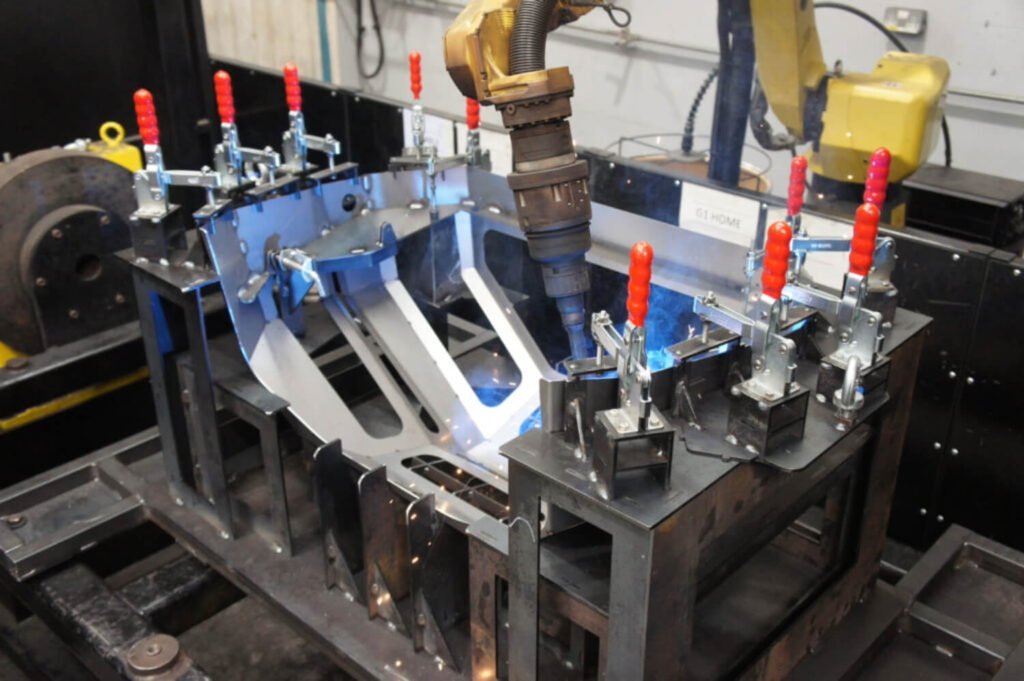
Ensuring components can be welded safely and consistently, with sufficient access for operators and minimal distortion.
6. Assembly
Reviewing how parts fit together to simplify assembly, reduce handling and minimise the number of operations required.
7. Surface finishing
Considering how powder coating, plating or other finishes may affect dimensions, fit, appearance and corrosion resistance.
8. Production efficiency
Considering batch sizes, tooling requirements, machine capability and manufacturing workflow to support efficient production.
Why involve manufacturing expertise early?
The earlier manufacturing expertise is introduced into a project, the greater the opportunity to improve cost, quality and production efficiency.
Working with Unifabs during the design stage allows potential manufacturing challenges to be identified before drawings are finalised or tooling is committed. Small changes to a design can often reduce manufacturing time, simplify assembly or improve repeatability without affecting the performance of the finished product.
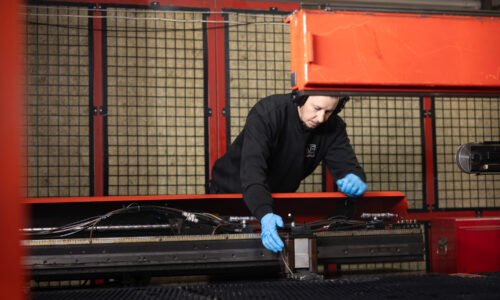
Because design, laser cutting, punching, forming, welding, finishing and assembly are all carried out within our business, we can assess how design decisions influence every stage of production. This joined-up approach helps reduce unnecessary complexity and supports a smoother transition from concept through to manufacture.
Whether you’re developing a new product or refining an existing design, involving our engineering team early can help avoid costly changes later in the project. As your project moves from concept into production, Unifabs can continue to support you as your manufacturing partner, providing an integrated service from Design for Manufacture through to full-scale production.
Design for Manufacture in action
Our Design for Manufacture approach has helped customers across multiple industries develop products that are easier to manufacture, assemble and scale.
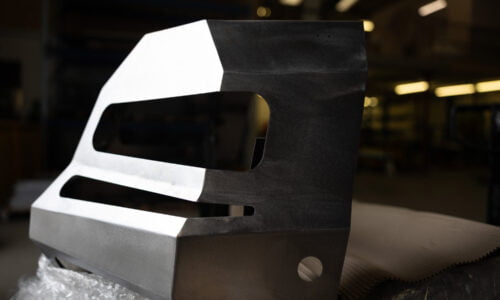
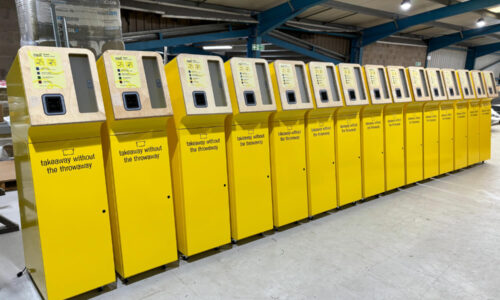
One example is our work with a leading agricultural machinery manufacturer, where our engineering team developed a rear casing for a market-leading mower system.
Working closely with the customer, we optimised the design to meet demanding functional requirements while ensuring it was practical, efficient and cost-effective to manufacture at scale.
The project demonstrates how involving manufacturing expertise early in the design process can help simplify production without compromising performance.
Read the full case study to see how the project developed from concept through to production..


Optimised designs help products thrive
Contact us today to discuss our design for manufacture process and your design requirements.
Everything you need to know about Design for Manufacture
Here is an overview of questions that we are most commonly asked.
Want to learn more?
Design for Manufacture (DfM) is the process of designing products and components so they can be manufactured efficiently, consistently and cost-effectively while maintaining the required performance, quality and functionality. At Unifabs, our engineers apply DfM principles throughout the design process, considering factors such as material selection, manufacturing processes, tolerances, assembly requirements and finishing to ensure products are practical and ready for production.
Design for Manufacture (DfM) focuses on creating products that are easier and more efficient to manufacture. Design for Manufacture and Assembly (DfMA) expands on this by also considering how components fit together and how assembly processes can be simplified. By considering both manufacture and assembly during the design stage, products can often be made more efficiently, with fewer components and reduced production complexity.
Yes. Design for Manufacture is not limited to new product development. Our engineering team regularly reviews existing designs to identify opportunities to improve manufacturability, simplify production and reduce unnecessary complexity. This often forms part of our Value Engineering approach, helping customers reduce manufacturing costs while maintaining product performance. Reviews can include materials, component design, manufacturing processes, assembly methods and finishing requirements to optimise products before production.
No. While DfM is often introduced during new product development, it can also be applied to existing products. Reviewing an existing design can help identify opportunities to simplify manufacture, improve consistency, reduce production costs and support changes in production requirements.
Yes. Our in-house design, engineering and manufacturing teams can support projects throughout the product development journey, from initial concepts and prototyping through to production, finishing and assembly. By combining design expertise with practical manufacturing knowledge, we help ensure products are developed with production requirements considered from the outset.